
Tiger
PROTECTING
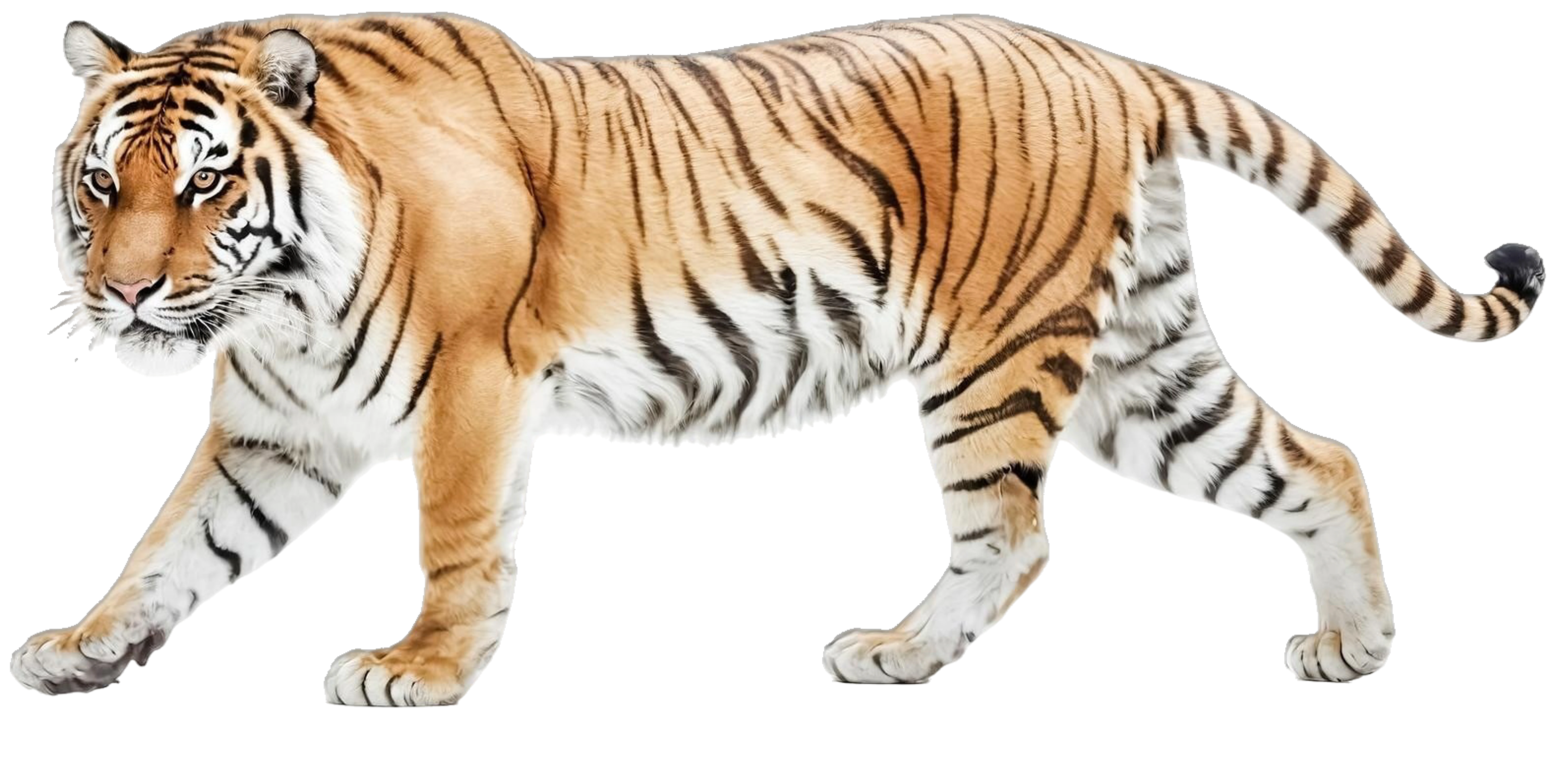
Don't let extinction
be their future

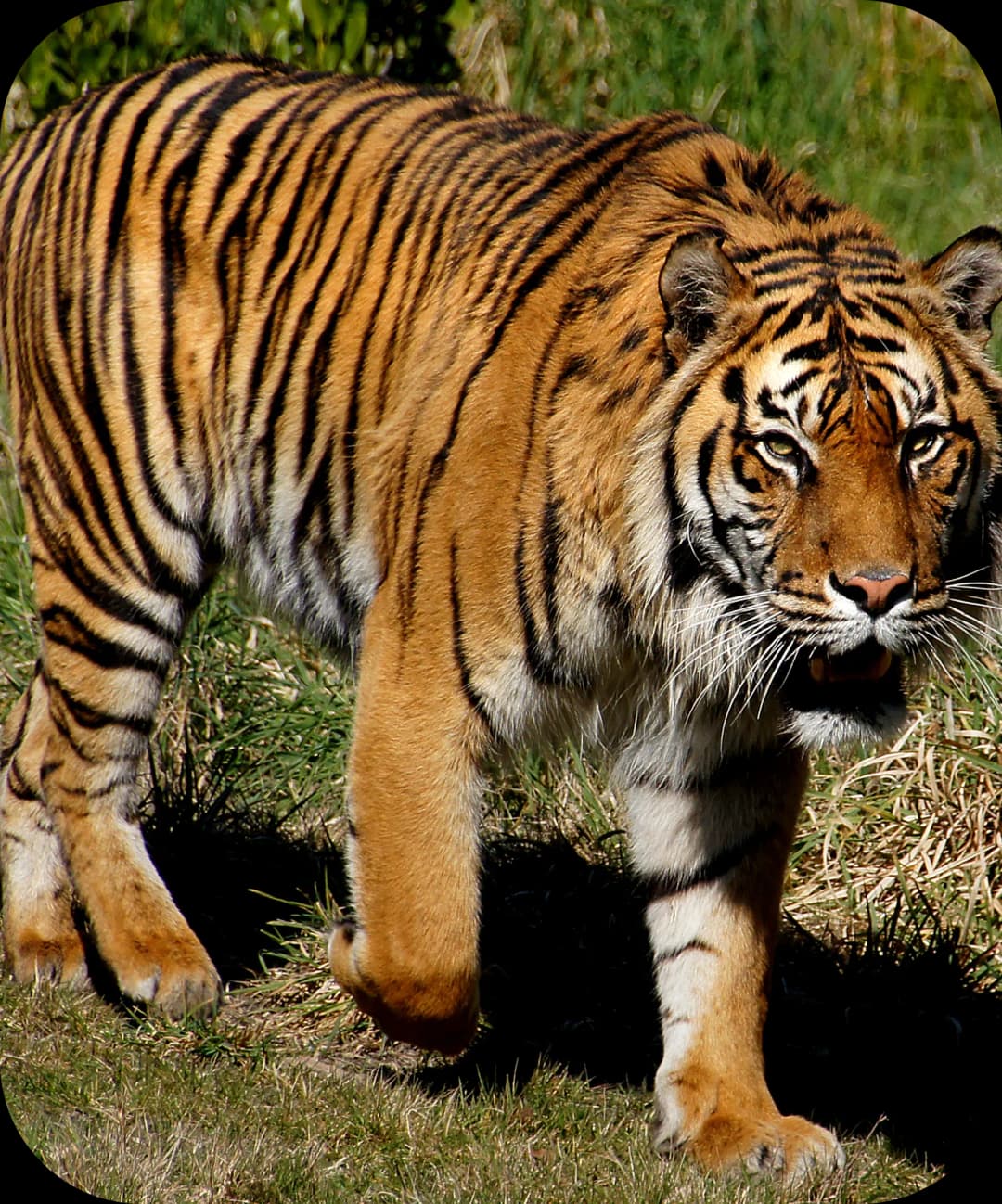
Sumatran Tiger
(Panthera tigris sondaica)

Indochinese Tiger
(Panthera tigris corbetti)

Amur Tiger
(Panthera tigris altaica)
After 100 years of decline, wild tiger numbers are finally rising insome regions—like India, Nepal, Bhutan, Russia, and China. Today, around 5,574 tigers remain in the wild(Global Tiger Forum). While this is progress, tigers are still in danger, especially in SoutheastAsia, where their numbers keep dropping.
We must act now to save them before it's too late.
Extinct Subspecies

Bali Tiger
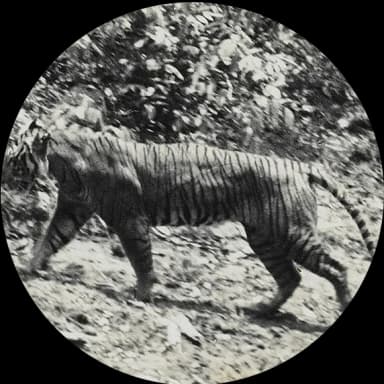
Javan Tiger

Caspian Tiger
Every Tiger Subspecies Faces Imminent Danger
Did you know that tigers, these majestic and iconic creatures, are facing a crisis of unprecedented proportions? The information below reveals the shocking threats pushing every tiger subspecies closer to the brink of extinction
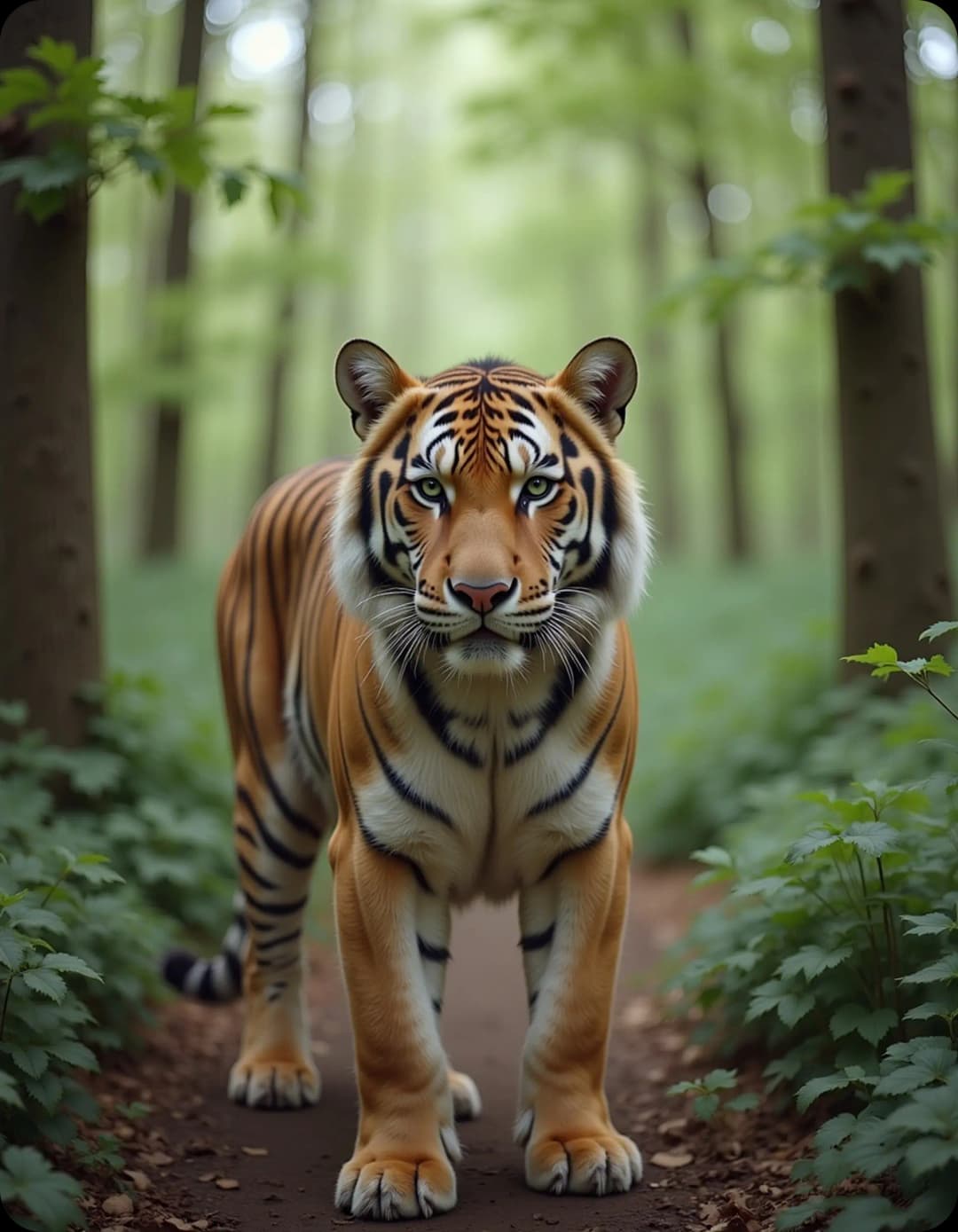
Their Homes Are Vanishing
TIGER POPULATION
100,000
YEAR : 1900
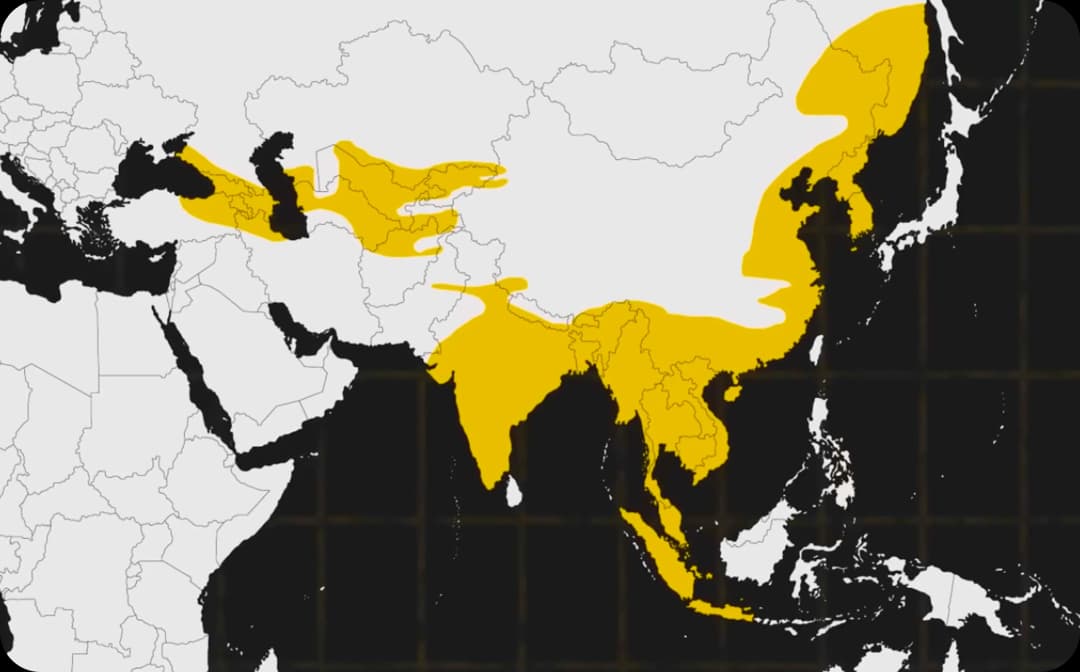
Credit : Tigers 101 | National Geographic
then
Tiger
Why They Matter?
Tigers, the majestic apex predators of Asia’s forests and grasslands, are more than just symbols of strength and beauty.
Their survival is intertwined with the health of ecosystems, human cultures, and even global biodiversity.
Here's why protecting tigers is criticalfor them, for us, and for the planet.

Ecological Engineers
As apex predators, tigers sit at the top of the food chain, regulating prey populations like deer and wild boar. By keeping herbivore numbers in check, they prevent overgrazing, which protects vegetation and maintains the balance of forests and grasslands. Healthy forests, in turn, act as carbon sinks, combatting climate change, and safeguarding watersheds that millions rely on for clean water.

Umbrella Species
Protecting tigers means protecting vast landscapes. For example, a single tiger reserve in India or Sumatra conserves hundreds of plant and animal species that share its habitat—from elephants to rare orchids. By focusing on tigers, we effectively “shield” entire ecosystems, making them a conservation priority that benefits biodiversity at large.

Cultural Icons
Tigers are deeply woven into human heritage. They appear in myths, religions, and art across Asia—from the Hindu goddess Durga riding a tiger to Chinese folklore symbolizing power and protection. Losing tigers would mean erasing a living piece of cultural identity and spiritual significance for millions.

Economic Engines
Tiger tourism generates significant revenue for local communities. In countries like Nepal and India, reserves like Ranthambore and Chitwan attract thousands of visitors annually, creating jobs in hospitality, guiding, and conservation. This economic incentive fosters community-led efforts to protect tigers and their habitats.

Genetic Resilience
Tigers comprise six surviving subspecies, each uniquely adapted to their environment—from the snow-loving Amur tigers to the mangrove-swimming Bengal tigers. Preserving this genetic diversity ensures tigers can adapt to threats like disease or climate shifts, securing their future survival.

The Threats They Face
Despite their importance, tigers are endangered. Poaching for skins and body parts, habitat loss due to logging and agriculture, and human-wildlife conflict push them toward extinction. Fewer than 5,000 tigers remain in the wild, occupying just 5% of their historic range.
HOW WE CAN HELP
Be a Conscious Buyer
Choose Sustainable Palm Oil
Look for the RSPO certification on products this ensures forests and wildlife weren't harmed for production. Swap everyday items (snacks, cosmetics, detergents) with eco-friendly brands. Say no to souvenirs made from endangered species
(ivory, coral, tortoiseshell). Support ethical alternatives like recycled materials or artisan crafts.
Avoid Illegal Wildlife Products
Support conservation
Choose Sustainable Palm Oil
Donate Smartly Fund trusted organizations
like World Wildlife Fund (WWF), Wildlife Conservation Society (WCS), or local nonprofits. Opt for recurring donations or workplace giving programs.-
Adopt an Animal
Symbolically adopt endangered species (e.g., tigers, elephants) through platforms like WWF—receive updates on your impact!
Travel Ethically
Visit accredited sanctuaries
Choose zoos and parks certified by AZA (Association of Zoos and Aquariums) or WAZA (World Association of Zoos and Aquariums).Follow guidelines
Keep a safe distance from wildlife, never feed wild animals, and avoid disruptive behaviors.
Raise Awareness
-
Share knowledge
Use social media, blogs, or community talks to highlight threats like habitat loss and poaching. -
Advocate for policies
Support legislation banning illegal wildlife trade or protecting Celebrate success stories
critical ecosystems (e.g., the Endangered Species Act). Highlight conservation wins to inspire hope and action.
Reduce Your Environmental Footprint
Cut carbon emissions
Use public transport, reduce energy use, and switch to renewable energy.Conserve water
Fix leaks, reduce usage, and avoid polluting waterways.Minimize waste
Recycle, compost, and ditch single-use plastics to protect oceans and forests
Engage Locally
Volunteer
Join habitat restoration, beach cleanups, or citizen science projects (e.g., bird counts).Support community initiatives
Partner with local farms, eco-tours, or conservation groups.Create wildlife-friendly spaces
Plant native species, build bird feeders, or leave wild areas in your garden.
Tiger
PROTECTING
© 2025 Nightwing Digital Solutions Co., Ltd.
All rights reserved.